Welcome to the Visual Guide
A first impression is often made long before the first business decision — over a shared meal, at a networking event, across a client dinner table.
This companion guide expands on the illustrations from The Business of Dining, offering quick visual references you can return to whenever you need a refresher.
Whether you're preparing for an interview lunch, entertaining a client, or seated at a formal dinner, these guides are here to help you dine with confidence.
Table Settings
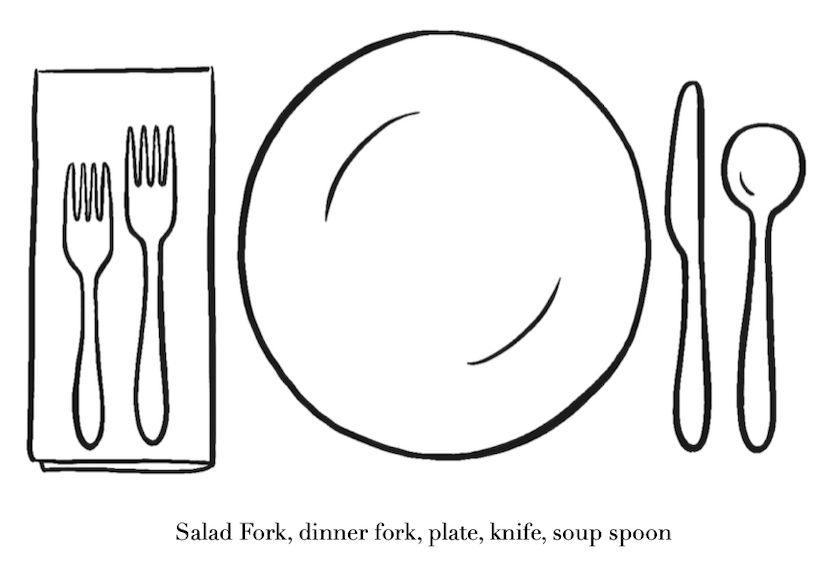
A table setting often looks more intimidating than it really is. Once you understand a few basic principles, you'll find they're designed to make dining easier, not more complicated. Whether you're at a business lunch or a formal dinner, knowing the layout means you can relax, and simply enjoy the experience.
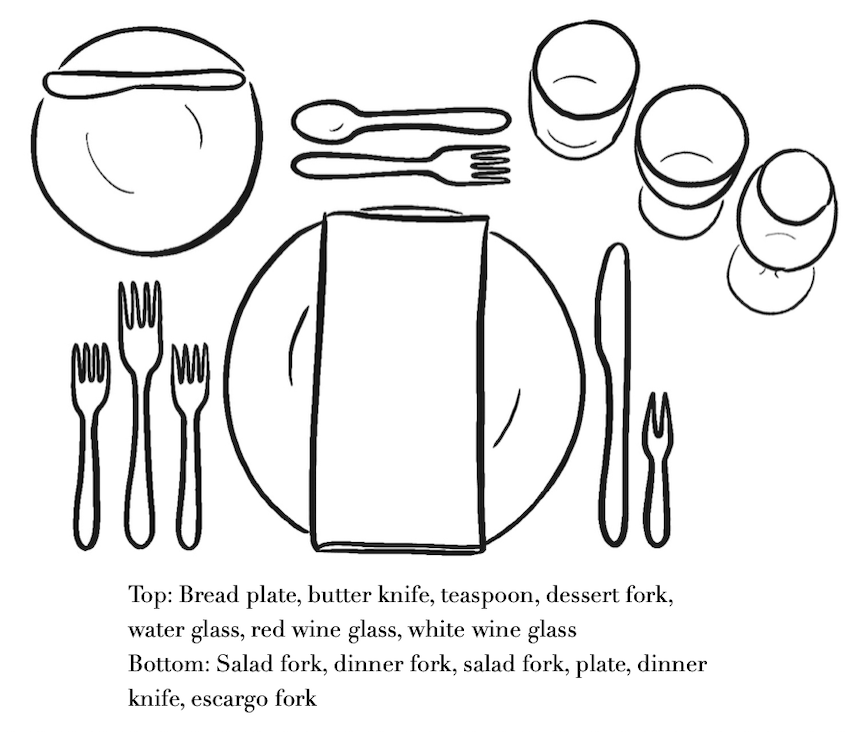
This second illustration is a bit more formal, and takes us all the way through dessert. The bread dish and butter knife sit to the left, and/or above the forks. The glasses are to the right — the water glass just above the knife, and slightly below and to the right of that, the wine glass. If both a red and white wine glass are set, the red sits between the water glass and the white, since white wine is poured first. With glasses, as with silverware, you always start from the outside and move in. The silverware placed above the plate, a small fork and spoon, is reserved for dessert.
In this particular illustration, I'd expect escargot to be served, since the escargot fork sits to the right of the dinner knife. Based on the arrangement, the meal likely moves from appetizer, to entrée, to salad, and finally dessert — a sequence suggested by the placement of the salad fork alongside the entrée fork. The dessert fork and coffee spoon, resting above the dinner plate, tell you dessert and coffee will close out the evening. And with both wine glasses present, I'd expect a white wine with one course, and a red with another.
Debbie’s Dining Notes
A place setting is designed to guide you through the meal, not test you. Once you understand the basic layout, you can stop thinking about the utensils altogether, and turn your attention to what actually matters — the conversation, the people at your table, and the relationships you're building.
Silverware Guide
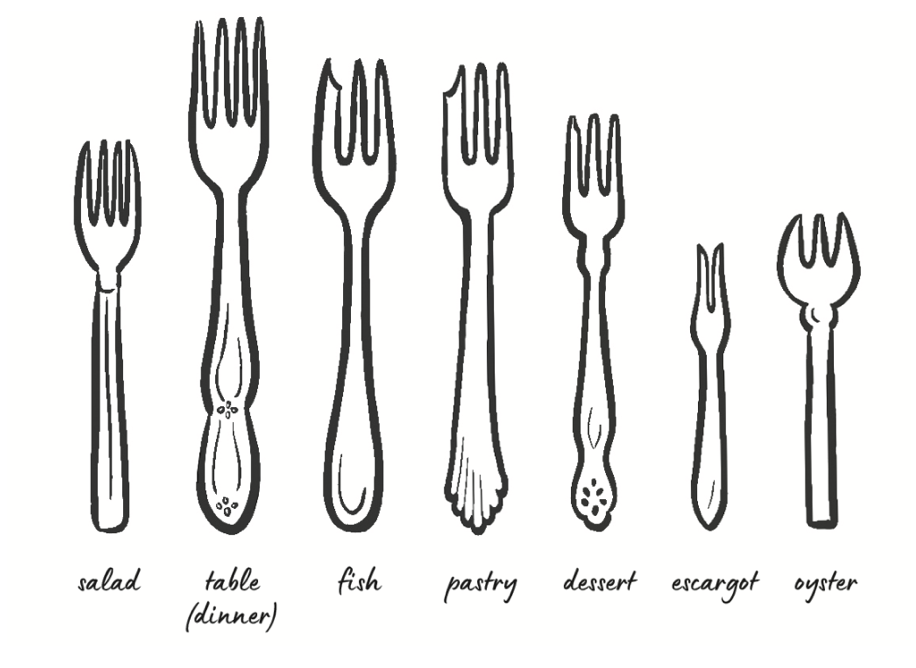
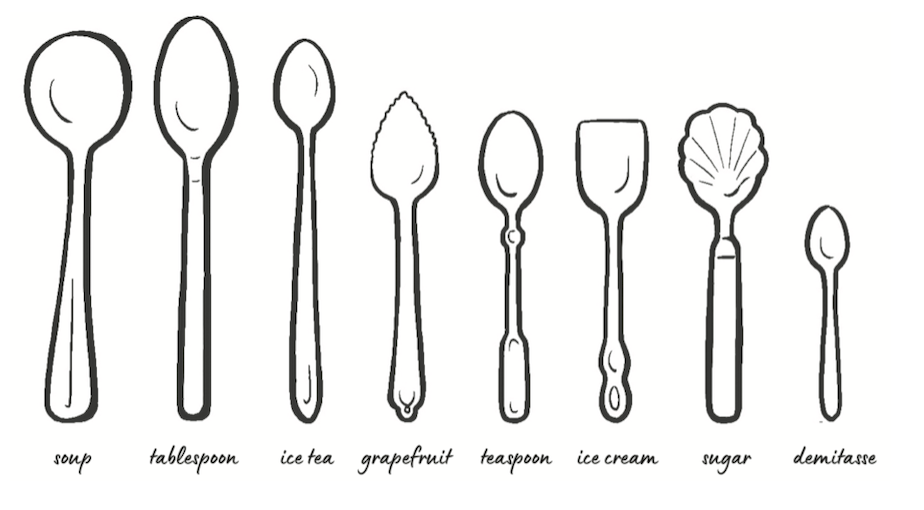
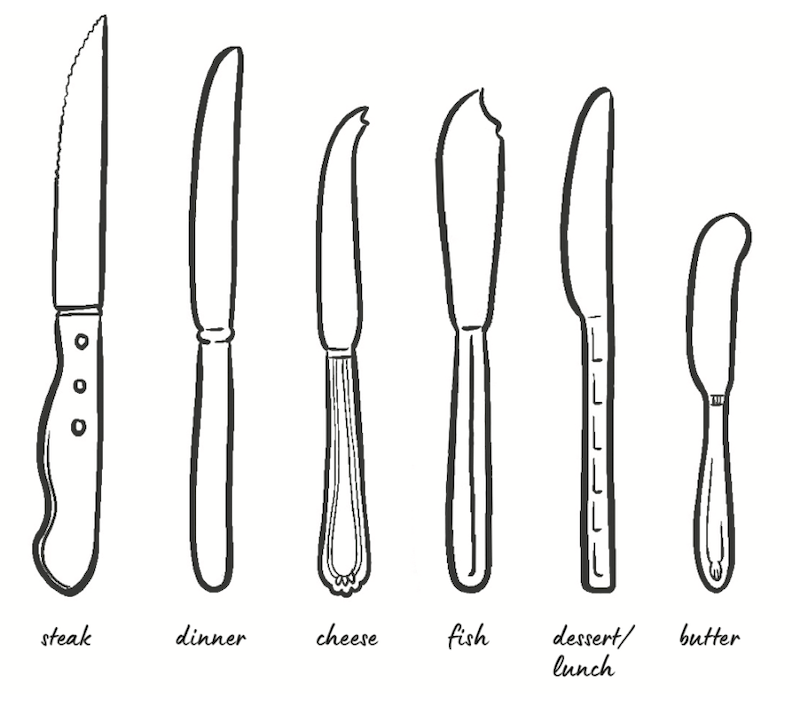
At first glance, a formal place setting can seem like a lot to take in, but every utensil has a purpose, and a place. In most business and formal dining situations, the silverware is arranged in the order you'll use it — from the outside in.
You won't run into every specialty utensil often, but it's worth knowing what they are, and how they're used. And if the occasion calls for it, don't hesitate to use them — they're part of what makes a meal feel like an occasion.
Forks
Spoons
Knives
Debbie’s Dining Notes
Silverware was never meant to impress anyone — it's meant to make the meal more enjoyable. Once you understand the basics, you can relax, join the conversation, and stop second-guessing yourself.
In my years in New York restaurants, I noticed something simple but true: guests who felt comfortable enjoyed themselves more, and almost always made the stronger impression — far more than the ones worrying over every utensil.
American & Continental Dining Styles
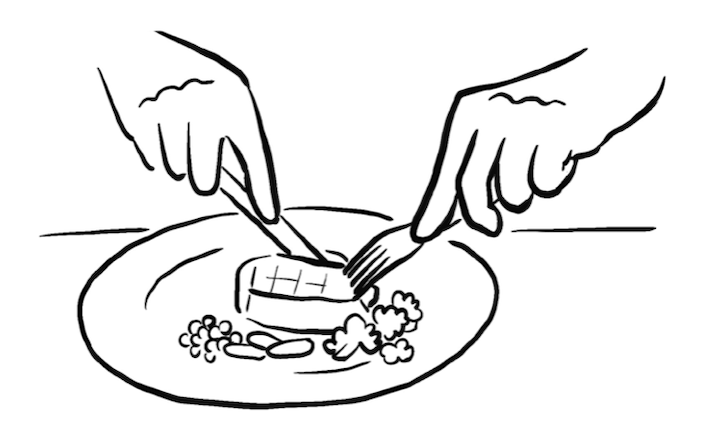
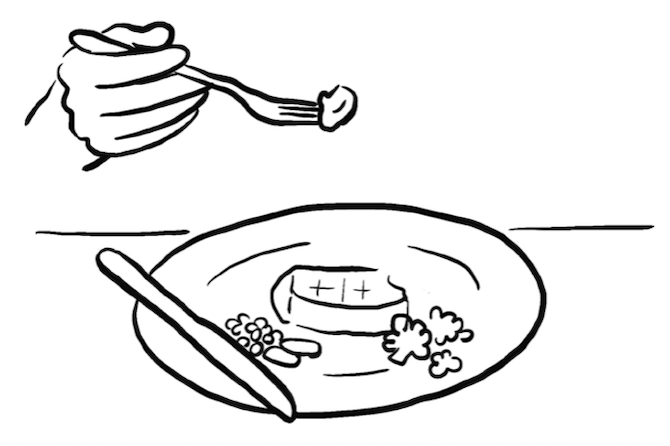
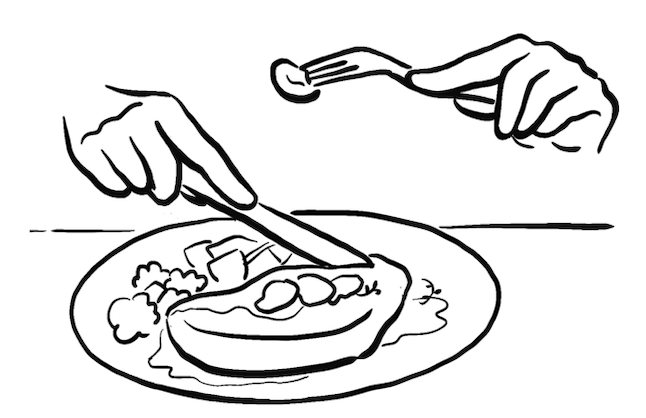
There are two widely accepted styles of using a knife and fork — American and Continental. Both are entirely at home in business settings, and understanding each gives you the confidence to dine comfortably with clients and colleagues from anywhere in the world. Once you're no longer thinking about which hand holds the fork, you're free to focus on what actually influences business success: conversation, connection, and the impression you leave behind.
American Style
Continental Style
Debbie’s Dining Notes
There is no right or wrong style here. Both American and Continental are equally at home in business dining. The key is simply to choose one, use it comfortably and consistently, and let your attention go where it belongs — to your guests, not your utensils.
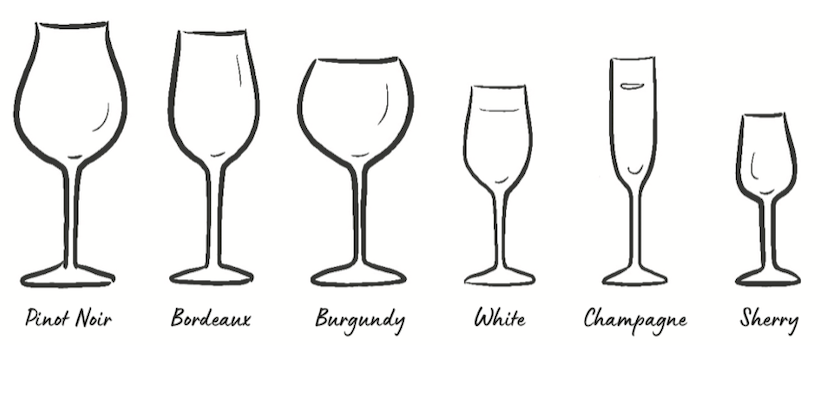
Wine Glasses
Glassware is designed with real intention — each shape crafted to complement a beverage by enhancing its aroma, flavor, and presentation. You don't need to recognize every style of glass, but a little familiarity with the common ones goes a long way toward feeling at ease at business dinners, receptions, and networking events.
If you're ever unsure which glass is meant for what, don't worry. Just as with silverware, start from the outside and work your way in — and your host, or the restaurant staff, will always be glad to help.
Debbie’s Dining Notes
You don't need to be a wine expert to feel confident at the table. A basic understanding of the common glassware is enough to let you enjoy the experience, engage with your guests, and keep your attention on the relationship, not the stemware.
You don't need to know every wine, or every glass. In my experience, curiosity and confidence are remembered far longer than expertise ever is.
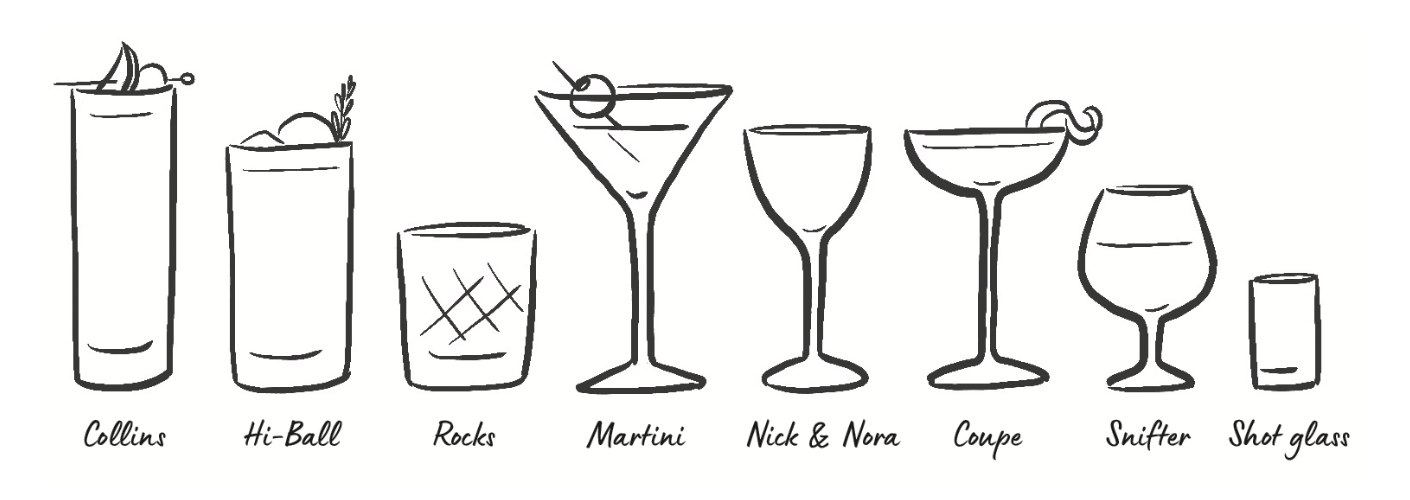
Cocktail Glasses
Cocktail glasses come in a range of shapes and sizes, each one designed to complement a particular spirit, mixer, or style of drink. Beyond function, the right glass adds something more — a bit of elegance, personality, even a little fun to the experience..
Debbie’s Dining Notes
You don't need to memorize every cocktail glass in existence. Simply recognizing the most common styles is enough to help you feel at home at business dinners, receptions, and social events alike.
illustrations are created by Woolypear